Woodworm infestations can silently destroy wooden furniture, structural beams, flooring, and valuable timber over several years before obvious signs appear. Because the larvae live hidden inside the wood, many property owners turn to chemical woodworm treatments in the hope of eliminating the problem. While chemical insecticides have long been used in the pest control industry, they are not always the most effective solution.
Modern wood preservation methods have shown that non-chemical technologies can often provide more reliable results, particularly for active infestations hidden deep within timber. Companies like Shashel are helping property owners adopt innovative microwave technology that targets woodworms directly without relying on chemical pesticides.
Understanding Why Woodworm Is Difficult to Eliminate
Woodworms are not actually worms. They are the larvae of wood-boring beetles that spend most of their lives feeding inside timber. Depending on the species, the larval stage can last anywhere from two to several years before the adult beetles emerge.
Because the larvae remain hidden beneath the surface, they continue damaging wood long before homeowners notice signs such as:
- Small round exit holes
- Fine wood dust (frass)
- Weak or crumbling timber
- Tunnels beneath the wood surface
- Adult beetles appearing during warmer months
The hidden nature of these insects makes treatment particularly challenging, especially when relying on surface-applied chemicals.
Why Chemical Treatments Often Fail
Although chemical woodworm treatments can be useful in certain situations, they have several limitations that may prevent them from fully eliminating an infestation.
Limited Penetration
One of the biggest weaknesses of chemical insecticides is their inability to penetrate deeply into solid timber. Most liquid treatments remain close to the surface, while woodworm larvae may be living several centimeters inside the wood.
As a result, chemicals may kill insects near the surface but leave many larvae untouched.
This limitation is one reason why specialists, including Shashel, promote treatment methods capable of reaching pests hidden deep within timber.
Surface Protection Only
Many chemical products primarily create a protective barrier that discourages future infestations rather than eliminating every active larva already inside the wood.
If existing larvae survive beneath the treated surface, they may continue feeding for months or even years before emerging as adult beetles.
Uneven Application
Chemical effectiveness depends heavily on proper application.
Painted, varnished, waxed, or sealed timber may prevent insecticides from soaking into the wood. Even untreated timber may absorb chemicals unevenly depending on its density, moisture content, or age.
This inconsistent penetration can leave untreated areas where larvae continue to survive.
Chemical Residues
Traditional insecticides may leave chemical residues within the treated area.
Some property owners prefer to avoid pesticides in homes with children, pets, or individuals sensitive to strong chemical odors. Historic buildings, museums, and antique collections may also benefit from treatment methods that avoid introducing chemicals into valuable wooden objects.
Companies such as Shashel focus on solutions that eliminate pests without leaving harmful residues behind.
Repeat Treatments
Because some larvae survive beneath the treated surface, repeat chemical applications are sometimes necessary. Multiple treatments increase both cost and inconvenience while still not guaranteeing complete elimination of every hidden insect.
What Works Better: Microwave Technology
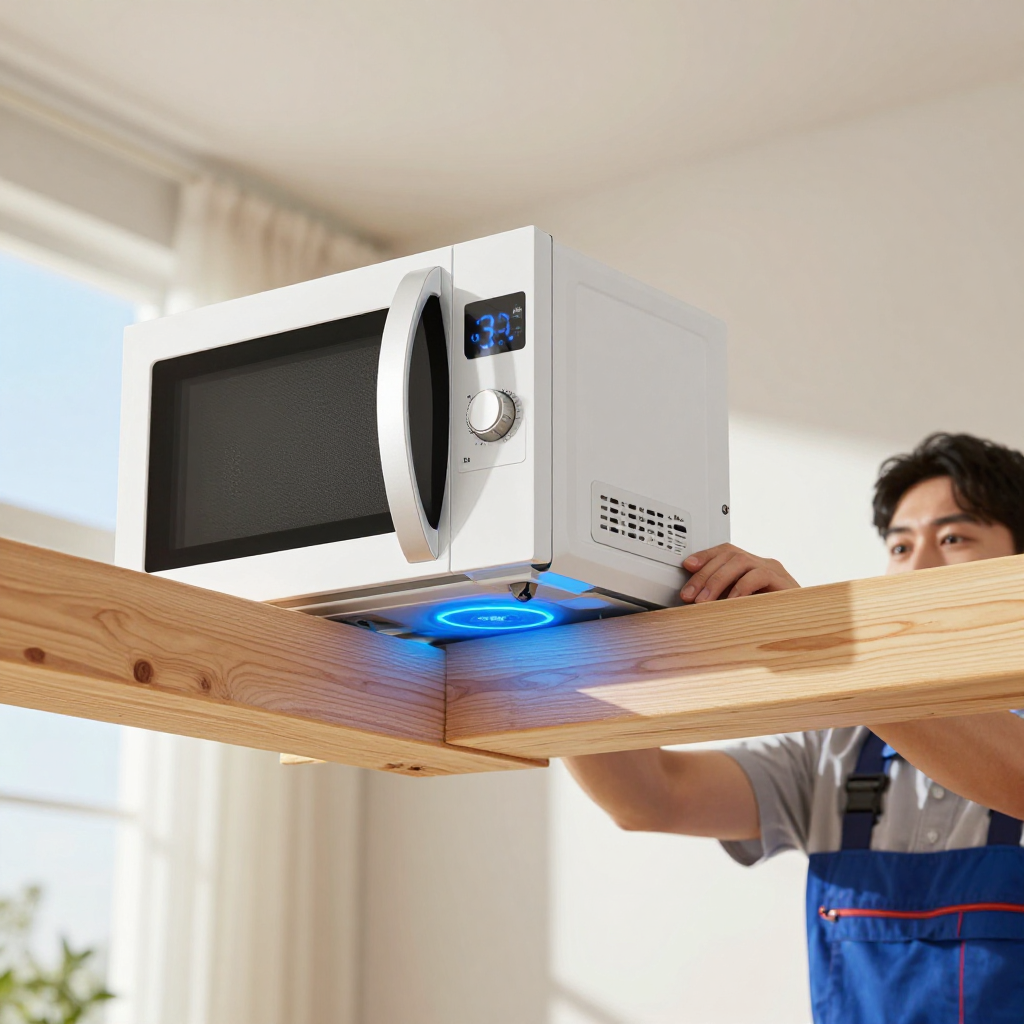
One of the most effective alternatives to chemical treatment is microwave technology.
Instead of poisoning insects, microwave treatment uses carefully controlled electromagnetic energy to heat woodworm larvae directly inside the timber.
The principle is simple but highly effective.
Woodworm larvae contain a much higher percentage of moisture than seasoned wood. Microwave energy causes water molecules within the insects to vibrate rapidly, generating heat. Once the internal temperature exceeds the insects’ survival threshold, the larvae, eggs, and pupae are destroyed.
This approach allows microwave treatment to reach areas that chemical sprays often cannot.
Advantages of Microwave Woodworm Treatment
Deep Internal Treatment
Unlike surface chemicals, microwave energy penetrates deep into timber where woodworms actually live.
This makes it possible to eliminate active infestations without drilling holes or injecting chemicals into the wood.
Modern systems developed by Shashel are designed specifically to target hidden wood-boring insects efficiently and safely.
Chemical-Free Solution
Microwave treatment requires no pesticides, fumigants, or toxic insecticides.
There are no lingering odors, no chemical residues, and no concerns about contaminating indoor spaces.
This makes it an excellent choice for environmentally conscious homeowners and businesses.
Immediate Results
Chemical treatments may take time to affect insects and often rely on larvae contacting treated surfaces.
Microwave treatment works during the treatment process itself by raising the insects’ body temperature beyond survivable levels.
Preserves Valuable Timber
Historic buildings, churches, museums, antique furniture, and heritage properties often require careful preservation.
Because microwave treatment does not saturate timber with chemicals, it offers a less invasive option for protecting valuable wooden structures.
Professionals working with Shashel technology often use microwave systems in projects where preserving original materials is a priority.
Environmentally Friendly
Growing environmental awareness has increased interest in sustainable pest control methods.
Microwave treatment produces no pesticide runoff, no hazardous waste, and no chemical contamination of indoor air.
This aligns with modern approaches to building maintenance that emphasize both effectiveness and environmental responsibility.
Where Microwave Technology Can Be Used
Microwave woodworm treatment is suitable for many types of timber, including:
- Roof beams
- Structural timbers
- Floor joists
- Wooden ceilings
- Staircases
- Antique furniture
- Timber-framed buildings
- Museums
- Churches
- Historic properties
The flexibility of Shashel microwave technology allows professionals to address infestations across a wide variety of residential, commercial, and heritage projects.
Preventing Future Woodworm Infestations
Even after successful treatment, preventing future infestations remains important.
Good maintenance practices include:
- Keeping timber dry
- Repairing roof leaks quickly
- Improving ventilation
- Controlling indoor humidity
- Inspecting wooden structures regularly
- Removing sources of excess moisture
- Monitoring vulnerable timber areas
Regular inspections allow early detection before infestations become severe, reducing repair costs and protecting valuable wood.
Choosing the Right Treatment
Every woodworm infestation is different.
Minor or inactive infestations may require only monitoring, while active infestations hidden deep inside structural timber often benefit from advanced treatment methods that reach beyond the wood surface.
Microwave technology provides an effective solution by addressing the insects where they actually live instead of relying solely on surface protection.
As more property owners seek safer and more sustainable options, companies like Shashel continue to demonstrate how modern technology can improve wood preservation while reducing dependence on traditional chemical insecticides.
Conclusion
Chemical woodworm treatments have served the pest control industry for many years, but they are not always capable of eliminating active infestations hidden deep inside timber. Limited penetration, uneven absorption, chemical residues, and the need for repeat applications can reduce their effectiveness.
Microwave technology offers a modern alternative by using controlled heat to destroy woodworms throughout their life cycle without relying on pesticides. Its deep penetration, immediate action, and environmentally friendly operation make it an increasingly popular choice for protecting homes, historic buildings, furniture, and valuable wooden structures.